How to Renegotiate Your Rent in Dubai in 2026: A Practical Guide

With heated rental discussion happening around Dubai during these summer months and as we head into renewal season, we thought it would be helpful to put together a helpful guide on how to renegotiate your rental contract with your landlord in a practical and sensible way.
How do I renegotiate my rent in Dubai?
Make sure to send an official email 90 days before your tenancy is up for renewal stating your goals for the next tenancy period. Check the RERA Rental Index to confirm whether your landlord can legally increase your rent. Pull market comparables using tools like Viewit’s virtual agent or DXB Interact. Negotiate on number of cheques, rent-free months and landlord-absorbed fees. Use data, not emotion, and always try face-to-face before escalating to the Rental Dispute Committee.
Why Renewal Season Matters Right Now
If your tenancy contract is coming up for renewal in the next few months, you are not alone. August through October is peak renewal season in Dubai, driven by the school calendar, and with rents having moved significantly across the city, now is the time to prepare. Whether you are sitting on a reasonable deal or staring down a steep increase, knowing how to negotiate properly can save you thousands of dirhams. Here is how to do it.
Know Your Numbers Before You Talk
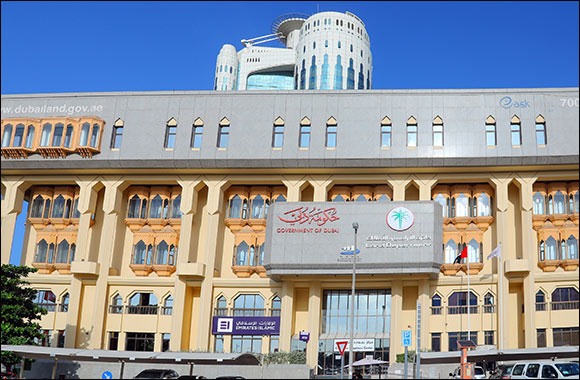
Before you pick up the phone, check the RERA Rental Index. This is the Dubai Land Department’s official benchmark that determines whether your landlord can legally increase your rent and by how much. If your current rent is at or below the index for your area and unit type, your landlord has limited grounds to raise it. If it is above, you have leverage to negotiate it down.
Next, pull market comparables. Tools like Viewit’s virtual agent at viewit.ae/virtual-agent, Valueit at viewit.ae/valueit-by-viewit, and DXB Interact will give you real transaction data for similar units in your building or community. Do not walk into a negotiation with feelings, walk in with numbers. If three comparable units in your tower are renting for AED 85k and your landlord wants AED 95k, the data does the talking for you. Further, if 8 out 10 units are vacant in your building, use this as a negotiating tactic saying that you could easily move to one of the units in your building where the cost of moving is a lot less than if you were to move to another building or community.
How Renting Works in Dubai
For those new to the market, the process is straightforward. Find listings on viewit.ae or other property portals, contact the agent, view the property and negotiate the terms of your tenancy contract. Make sure the agreed rent is equal to or below the RERA Rental Index for comparable units. You will need to issue a 5% security deposit, or 10% if the unit is furnished or upgraded, plus the rent itself in the agreed number of cheques. Factor in DEWA, DU and chiller fees if applicable, these are separate costs that catch first-time renters off guard.
Negotiation Tactics That Actually Work
Rent is not the only variable on the table. Think of the negotiation as a package, not a single number. Ask to increase the number of cheques to spread the financial load across the year. Request a rent-free month, landlords often prefer this over reducing the headline rent because it protects the unit’s market value. Ask the landlord to absorb costs like extra parking, utility connection fees or additional access cards. If the unit has maintenance issues, a leaking AC, worn-out appliances, chipped paint, now is the time to make those fixes a condition of renewal. If you are looking to get an upgraded living space, this is a win win for both parties. The property will increase in value and you will have a more comfortable stay, use this as a negotiating tactic.
Make the Case for Keeping You
Here is the part most tenants forget. Landlords do not want vacancies. An empty unit means zero income, fresh commission to an agent, potential wear and tear from viewings, and weeks or months of downtime. Remind them, politely, that retaining a reliable tenant who pays on time is worth more than squeezing an extra five percent out of the contract. Frame it as a win for both sides.
If All Else Fails
Dubai has a formal escalation process through the Rental Dispute Committee (RDC), and it is there for a reason but treat it as a last resort. Face-to-face conversations, grounded in data, resolve the vast majority of rental disputes before they ever reach a committee. Talk first, escalate later, and only after every other option has been exhausted. RDC cases are long and drawn out and can pontentially drain your funds if you need legal council to defend your case in court.
Renewal season does not have to be stressful if you come prepared. Check the RERA index, pull your comparables, and know what you are asking for before you sit down. Your next home, or your current one at a better price, starts at viewit.ae.
FAQs
Can my landlord increase my rent without notice? No. Landlords must provide 90 days’ written notice before the tenancy expiry date if they intend to increase the rent. Without that notice, the existing terms carry forward. Furthermore, the rent increase must be consistent with the RERA rental calculator and if it isn’t, you are legally obliged to follow the RERA guidelines on the new rent amount.
How do I check if my rent increase is legal? Use the RERA Rental Index Calculator on the Dubai Land Department website. Enter your property details and it will tell you the maximum allowable increase, if any, based on how your current rent compares to the market average.
How many cheques is standard in Dubai? One to four cheques is most common, but there is no legal limit. More cheques reduce your upfront financial burden, so this is always worth negotiating, especially if your landlord is reluctant to lower the headline rent.
What is the security deposit and do I get it back? The standard deposit is 5% of the annual rent for unfurnished units and 10% for furnished. It is fully refundable at the end of your tenancy provided there is no damage beyond normal wear and tear.
What can the Rental Dispute Committee actually do? The RDC can rule on rent increases, eviction disputes, maintenance obligations and deposit returns. Their decisions are legally binding. Filing a case costs 3.5% of the annual rent, with a minimum of AED 500 and a maximum of AED 20,000.
Should I negotiate by email or in person? Start face to face or over the phone. Written communication is important for documenting what was agreed, but the actual negotiation almost always goes better in a direct conversation where both sides can read the room.
Can I ask for a rent-free month instead of a reduction? Yes, and many landlords prefer it. A free month keeps the headline rent intact which protects the unit’s market value, while giving you a tangible saving. It is one of the easiest concessions to win.
What other costs can I request the landlord to cover? Extra parking fees, utility connection charges, additional access cards and minor renovations are all fair game. If something in the unit is broken or worn out, make the repair a condition of signing the renewal. Your leverage is highest the moment before you commit.
How do I prove my rent is above market rate? Pull comparable transactions from Viewit’s virtual agent at viewit.ae/virtual-agent, Valueit at viewit.ae/valueit-by-viewit or DXB Interact. If similar units in your building or community are renting for less, present those numbers directly. Data wins arguments, opinions do not.
Subscribe to our newsletter to stay up to date about the A to Zs of Dubai!