Opening a Free Zone Company License in Dubai in 2025
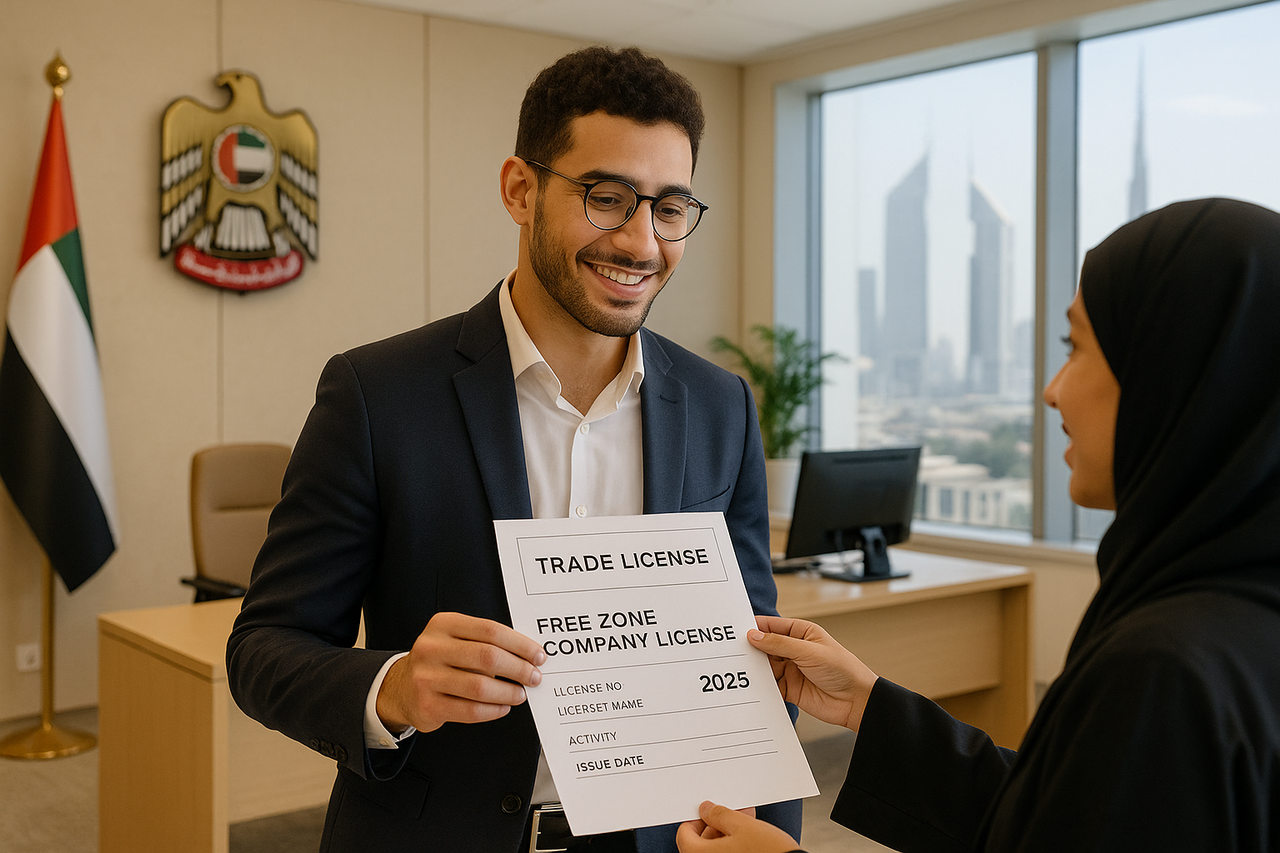
Dubai’s free zones offer an opportunity for entrepreneurs and global businesses to establish a presence in the UAE with flexibility, tax advantages, and simplified setup. Understanding how a free zone license works—and how it differs from mainland and offshore structures—helps you choose the right option, so let’s get into it;
What Is a Free Zone License?
A free zone license allows you to operate within one of Dubai’s designated economic zones. These zones provide ownership benefits, industry-specific support, and easy company formation. You can maintain 100% foreign ownership, repatriate profits freely, and enjoy streamlined regulation. Some freezone also have incubation hubs where companies and startups can get subsidized licensing fees and co-working spaces – such as in5 in Dubai Internet City.
Free Zone vs. Offshore vs. Mainland
Below are all the freezones within the UAE. Each have their own pros, cons and pricing.
Dubai
- DMCC (Dubai Multi Commodities Centre)
- DIFC (Dubai International Financial Centre)
- Dubai Internet City (DIC)
- Dubai Media City (DMC)
- Dubai Studio City (DSC)
- Dubai Design District (D3)
- Dubai Silicon Oasis (DSO)
- Dubai Airport Free Zone (DAFZA)
- Dubai South Free Zone (including Aviation & Logistics District)
- JAFZA (Jebel Ali Free Zone)
- Dubai Healthcare City (DHCC)
- Dubai Knowledge Park
- Dubai Production City
- Meydan Free Zone
- Dubai Maritime City
- International Humanitarian City
- Dubai Outsource City
- Dubai Car & Automotive Zone (DUCAMZ)
- Gold & Diamond Park Free Zone
Abu Dhabi
- ADGM (Abu Dhabi Global Market)
- Khalifa Industrial Zone (KIZAD / KEZAD)
- Abu Dhabi Airport Free Zone
- Masdar City Free Zone
- twofour54 (Media free zone)
Sharjah
- Sharjah Media City (Shams)
- Sharjah Publishing City
- Sharjah Airport International Free Zone (SAIF Zone)
- Hamriyah Free Zone
- SRTIP (Sharjah Research, Technology & Innovation Park)
Ras Al Khaimah
- RAKEZ (Ras Al Khaimah Economic Zone)
- RAK Maritime City
- RAK Media Free Zone
Fujairah
- Fujairah Free Zone
- Fujairah Creative City
Ajman
- Ajman Free Zone
Umm Al Quwain
- UAQ Free Trade Zone
Offshore license:
An offshore company is registered in the UAE but cannot operate business activities inside it. It’s mainly used for holding assets, international trade, and tax optimization.
Mainland license:
A mainland company can trade anywhere in the UAE but typically requires local regulations and sometimes some form of local sponsorship.
Free zone license:
You can operate within the free zone and internationally. You may trade in the UAE through distributors or e-commerce channel agreements.
Types of Free Zone Licenses
Commercial
Trading goods and products. This is a general license which can mean anything from trading good and services within and / or outside the UAE to selling wholesale goods within the UAE.
Professional
Consulting, services, or digital work. This includes services such as tax, tech, IT or financial consultation services, among others.
Industrial
Manufacturing or logistics operations. If an entity wishes to setup a manufacturing or logistics / shipping operations within the country, this is where they should aim to setup their business.
Costs of a Free Zone License
Most Dubai free zone licenses start from AED 5,500–15,000 depending on the zone and number of activities. A visa package (for one owner or team members) generally ranges from AED 3,500–7,500 per visa. Co-working or flexi-desk options reduce cost and the obligation to register an Ejari with the trade license.
Renewal Process & Cost
Renewals are straightforward—mostly online. Expect similar annual fees as your initial package. Keep your corporate documents and business activity filings up to date and make sure to file your taxes with the Federal Tax Authority (FTA). Some free zones also require you to submit your audited financials to their internal systems every year. New companies should be aware of such practices to ensure they do not get fined or penalised.
Mistakes to Avoid
- Choosing a zone that doesn’t match your activity.
- Not budgeting for visas and establishment card fees.
- Confusing free zone and offshore rules.
- Ignoring bank account requirements (some require in-person visits).
- Ignoring tax filing requirements within the Emirate and Free Zone.
Conclusion
A Dubai free zone license is ideal for entrepreneurs wanting full ownership, tax efficiency, and international business freedom. With the right zone selection and professional setup support, it’s one of the most accessible ways to launch in the UAE.
As always, keep checking Viewit for the latest information on Dubai!
Subscribe to our newsletter to stay up to date about the A to Zs of Dubai!