Ramadan in Dubai 2026: What You Need to Know as a Resident or Visitor
What is Ramadan?
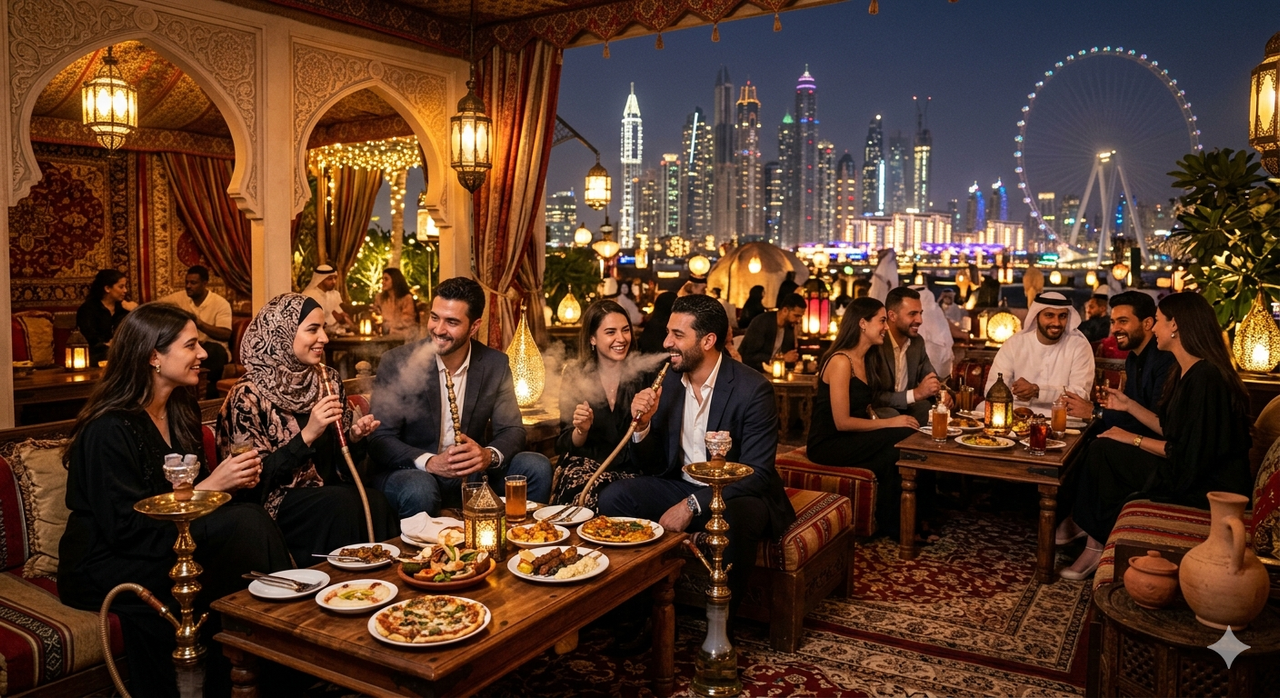
Ramadan is the ninth month of the Islamic lunar calendar and one of the most sacred periods in the Muslim faith. It commemorates the revelation of the Quran to the Prophet Muhammad (PBUH) and is observed by over 1.8 billion Muslims worldwide through fasting, prayer, reflection, and community.
Why Do Muslims Fast?
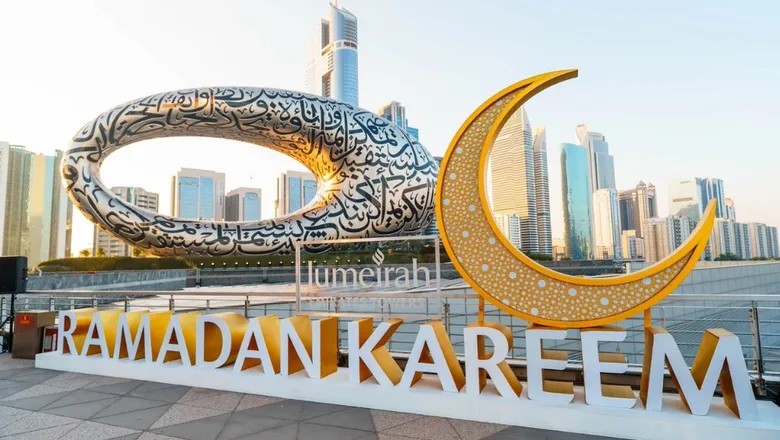
Fasting during Ramadan — known as sawm — is one of the Five Pillars of Islam, making it a religious obligation for adult Muslims. From dawn (Fajr prayer) to sunset (Maghrib prayer), Muslims abstain from food, water, and other physical pleasures. The fast is not purely physical; it’s a spiritual discipline meant to cultivate discipline, gratitude, empathy for those less fortunate, and closeness to God.
What About Non-Muslims in Dubai?
Dubai is one of the most open and cosmopolitan cities in the Muslim world, and non-Muslims can eat and drink as they wish in public (this was a different story just 5 years ago but Dubai has become a multicultural city and therefore, has allowed for people to carry on with their days). That said, eating, drinking, smoking, and any overly familiar behaviour in public during daylight hours is discouraged — a small gesture of respect toward those who are fasting. Meals are best kept to restaurants, malls, or private spaces.
On dress and behaviour, there’s no hard rule for non-Muslims, but dressing a little more modestly and keeping the volume down in public spaces goes a long way. It’s really less about compliance, more about cultural awareness — and locals genuinely appreciate it.
The Good Stuff: Ramadan Culture in Dubai
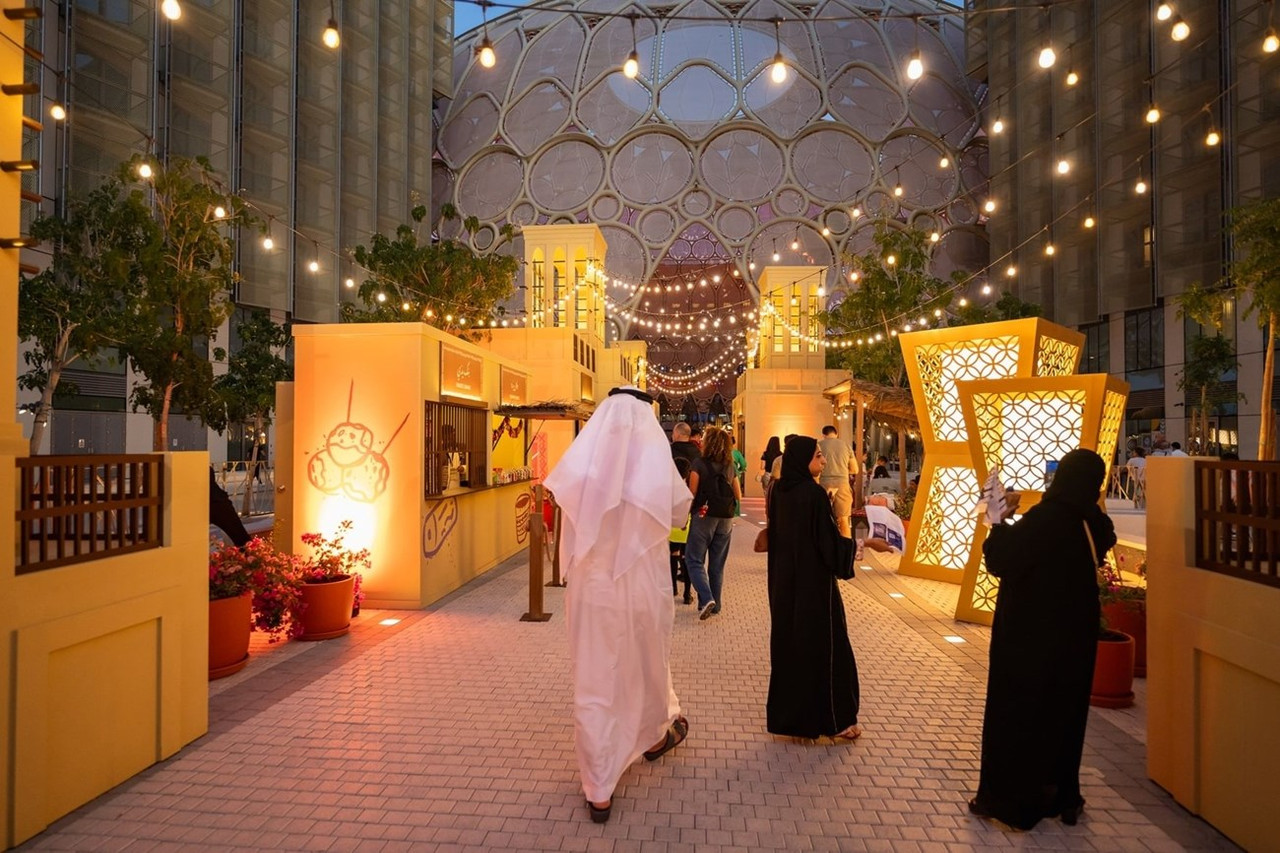
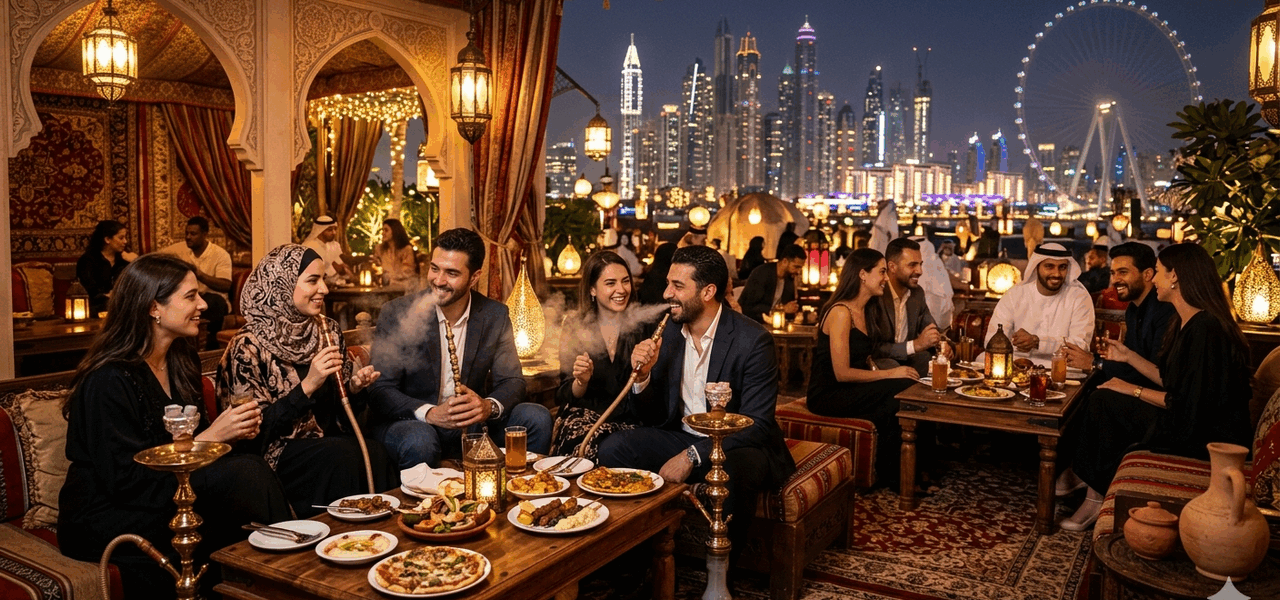
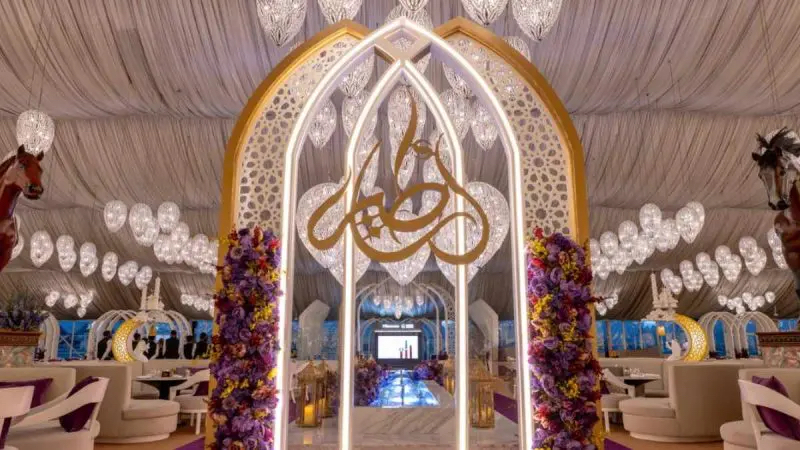
Ramadan in Dubai has its own wonderful atmosphere. Ramadan tents pop up across the city offering iftar (the fast-breaking meal at sunset) and suhoor (the pre-dawn meal) experiences — often lavish buffets with live oud music, shisha, and a festive crowd that stays up well past midnight. Hotels and restaurants run some of the best value deals of the year during this period where guests can partake in all you can buffets from AED 100-500 per head, so it’s genuinely a great time to eat well without overspending. Ramadan markets are also worth visiting for street food, artisan goods, henna painting, live music and an authentic slice of the season.
What Is Eid, and When Does It Fall?
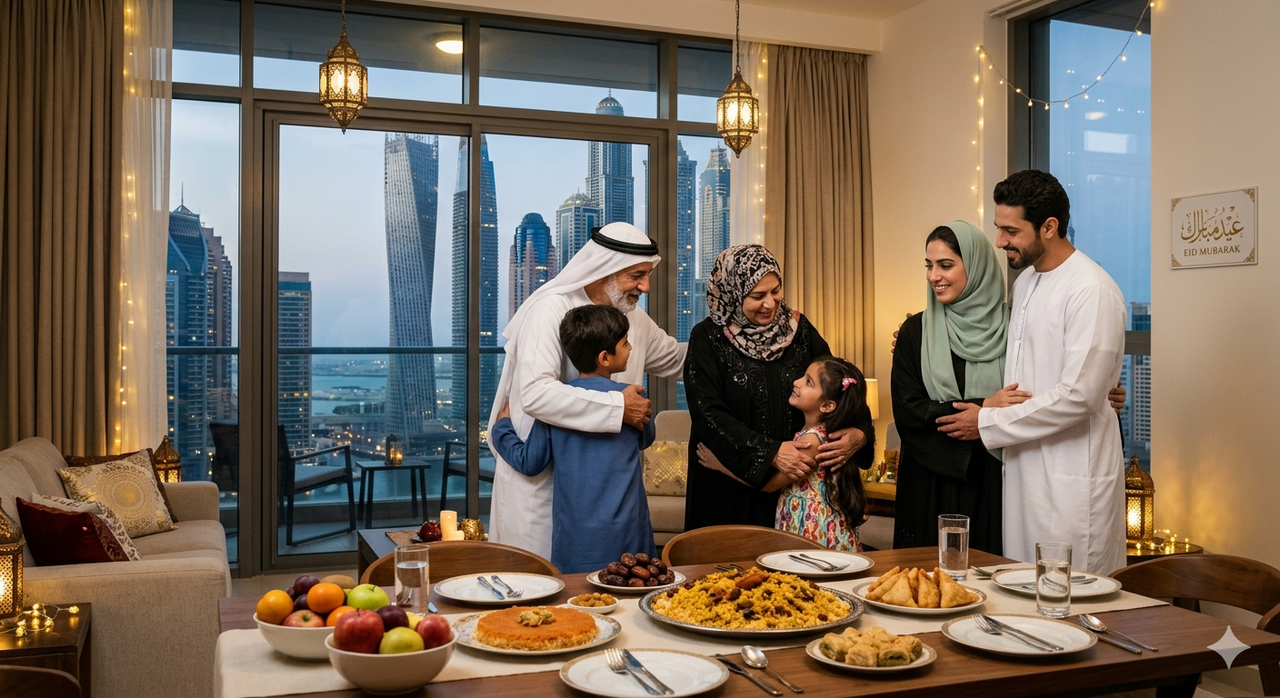
Eid al-Fitr is the celebration that marks the end of Ramadan — a joyful, three-day holiday of family gatherings, gift-giving, and most of all; feasting (you build up an appetite after 30 days of no eating!). The exact date is determined by the sighting of the new crescent moon (hilal), which means it’s announced just a day or two in advance and can vary slightly by country. In Dubai, Eid al-Fitr is expected to fall around March 19th 2026. The city of Dubai normally slows down for the first of the 3 day holiday. Expect less traffic on the streets, lots of offers in the shops and malls and restaurants and cafes to be open late into the night.
For residents and property seekers in Dubai, Ramadan is also a quieter period in the market — which can mean more room to negotiate on rentals and purchases, something worth keeping in mind ;).
Subscribe to our newsletter to stay up to date about the A to Zs of Dubai!